
The Midrash Jazz Quartet and the Standards
City of GodJazz meditations on popular songs turn love ballads into theological parables about shadow, dust, darkness, and the song of God.
increasing Bearing strength in each event
 decreasing
Bearing strength in each eventdecreasingMe and My Shadow
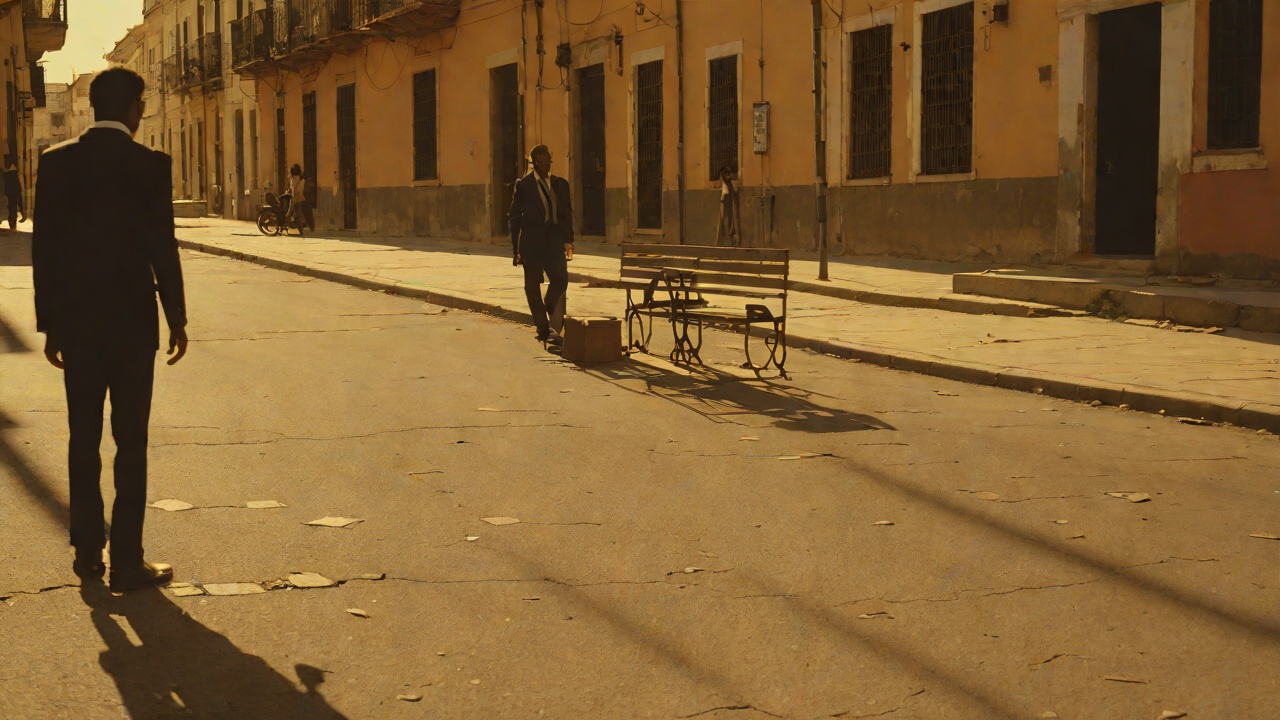
Me and My Shadow
Context
The Midrash Jazz Quartet performs a stunning interpretation of Me and My Shadow, treating the singer's shadow as a sign of God's light not passing through him. The song moves from loneliness to resurrection: when the shadow disappears, another soul is sent to bring along. The audience applauds wildly.
Significance
The performance establishes the quartet as a form of midrash. They do not simply sing standards; they argue with them, unpacking every metaphor and turning Tin Pan Alley into scripture. The shadow becomes opacity, sin, and the promise of celestial light all at once.
Consequences
Music becomes a parallel text to the theological debates of the novel. The standards offer a secular liturgy for people who cannot accept the old liturgies.
Stardust and Paradise Lost

Stardust and Paradise Lost
Context
The quartet takes up Stardust and finds in its astronomical imagery a lament for lost love and lost paradise. The singer dreams of a garden that never existed, then understands that the only paradise he can presume is the time when they were one. The song ends in a present-tense living room where two people have nothing to say to each other.
Significance
The interpretation draws a direct line between popular song and the Fall. The stardust of a dead star becomes the cinderous product of a nuclear conflagration, love's memory reduced to ash. The standard's sentimentality is exposed and then redeemed by the quartet's intellectual embrace.
Consequences
Each standard is revealed as a disguised theological poem about our exile from the Garden and our longing for union with God.
Good Night Sweetheart
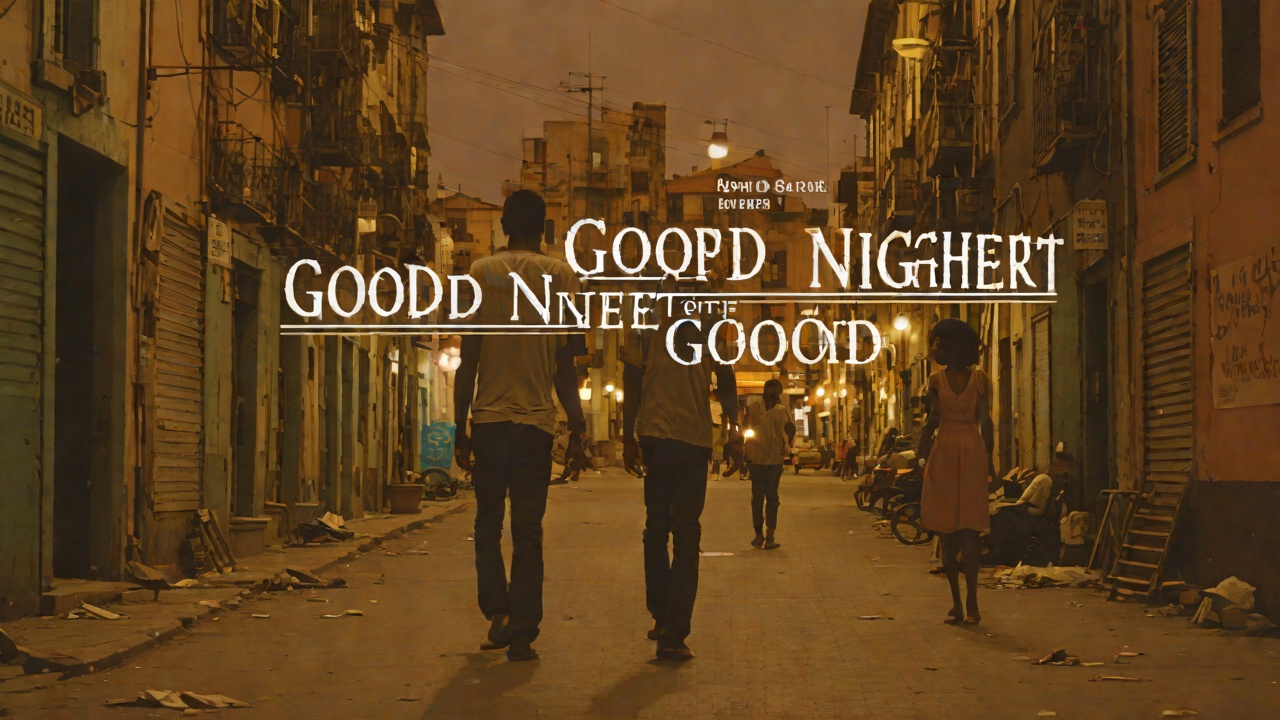
Good Night Sweetheart
Context
The quartet plays Good Night Sweetheart as a song of parting and deceptive comfort. The singer begins by imagining a sweet domestic love, then breaks into a bitter catalogue of losses, ending with the line: She's gone, it's done, you've got no one. The audience leaves puzzled and uneasy.
Significance
The performance undermines the standard's lullaby surface. Sleep does not banish sorrow; it works it over in the drowsing brain. The sweet-talking God who says good night is the same God who leaves His promises unfulfilled.
Consequences
Music here functions as confession, exposing the absence at the heart of worldly consolation. The quartet's secular hymns become apt companions to Pem's crisis of faith.
Dancing in the Dark
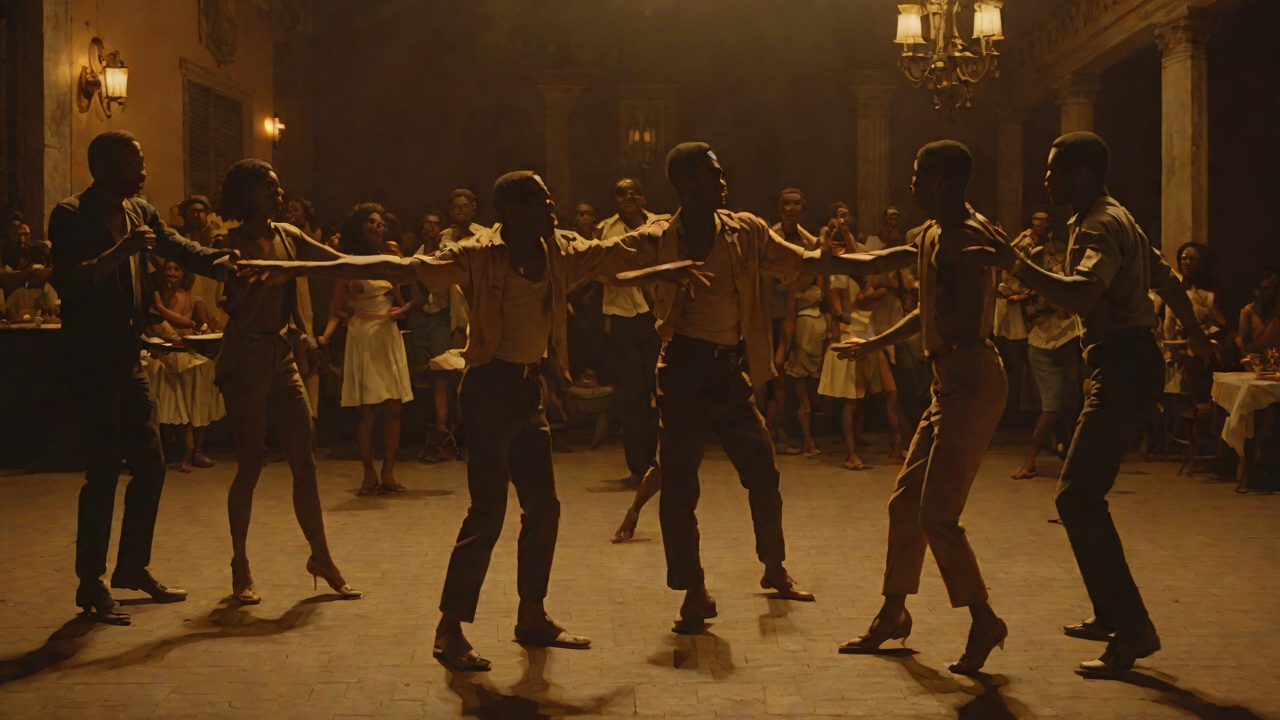
Dancing in the Dark
Context
The quartet performs Dancing in the Dark, oscillating between two readings. One voice celebrates the blessed darkness of an intimate waltz; another reveals the Hollywood nightclub as a soundstage, with stars using the couple's romance to collect the dimes of beggars outside. The dance becomes a parable of art, commerce, and extinction.
Significance
The song's dual nature allows the quartet to stage a debate between romanticism and disillusion. The darkness is both the mystery of love and the curtain of capital. The dancers are ephemeral, but the music goes on after their dance is done.
Consequences
The performance ends with applause and a reminder of our short time in the dark. The standard serves as a memento mori.
The Song Is You and the Alabaster City

The Song Is You and the Alabaster City
Context
A legendary songwriter joins the quartet's performance of The Song Is You and delivers a long monologue about his childhood in a Jersey waterfront town. He recalls the Fools of Song, the strippers of Union City, the alabaster city shining across the river, and his vow to wrap the whole city inside his voice. The audience rises in loving ovation.
Significance
The monologue connects popular song to longing, class, and urban aspiration. The city across the river becomes the beloved addressed by the song, and the singer's art is a form of seduction and self-invention. The standard is finally revealed as an anthem of immigrant desire.
Consequences
The quartet's musical theology reaches its climax in the word made flesh of American song. The sacred and the profane are indistinguishable.
early in the novel, at the quartet's first club appearance
at a later club set, after the quartet has found its audience
when the quartet's nightly farewell takes on an edge of grief
at a nightclub set where the quartet imagines a Hollywood dance floor
near the end, when the quartet honors a legendary singer
